


Safety is the top priority. Take all necessary precautions to avoid accidents and illnesses.
Hurricanes Helena and Milton have left a trail of destruction, and the lives of residents in the affected region have been turned into an emotional rollercoaster. Floods, uprooted trees, and destroyed homes are just some of the challenges they face. The journey back to normalcy begins with the arduous task of cleaning up debris and restoring the damage caused by the fury of the winds and water.
For many families, the recovery process begins with clearing debris and restoring the damage caused by water and strong winds. But how to deal with this tackle this monumental task?
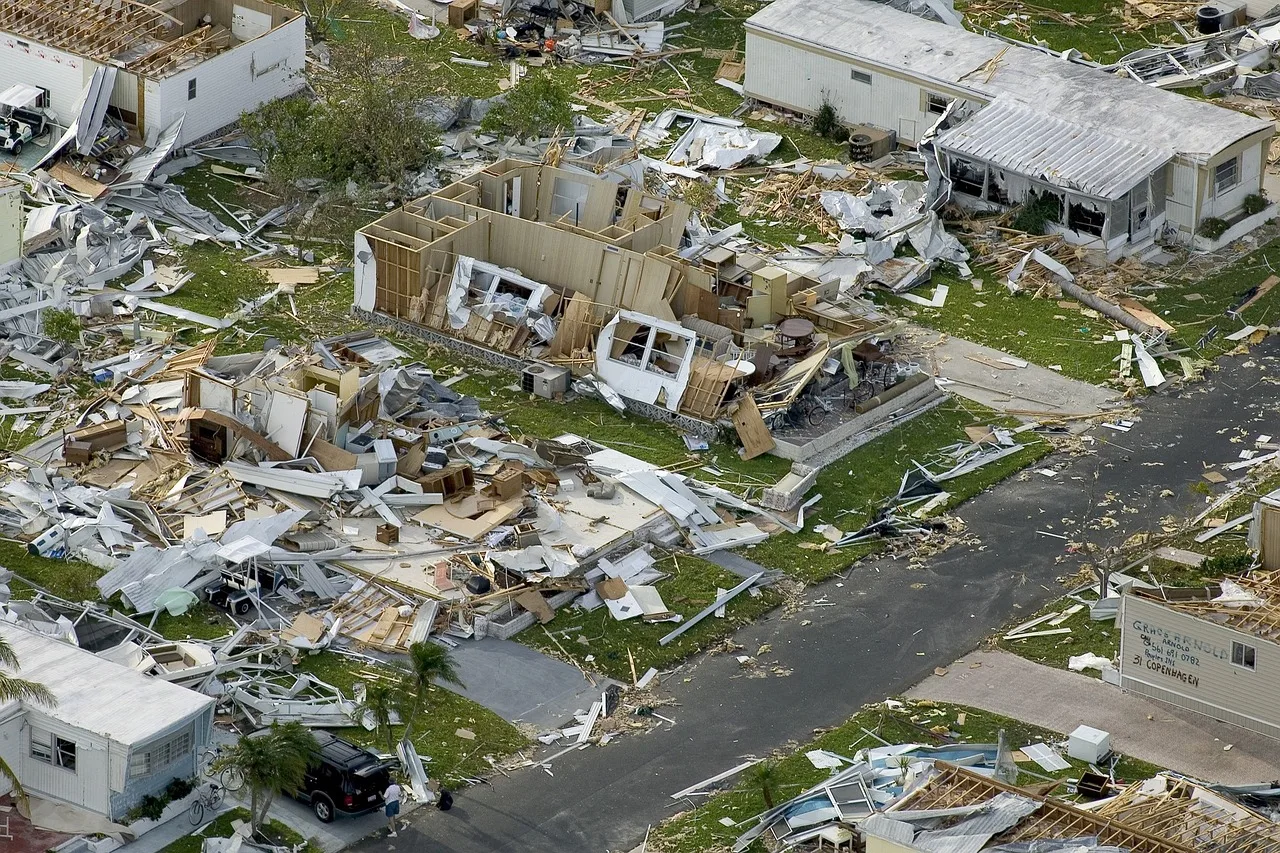
Prioritizing Safety:
Before starting the cleanup, safety is the top priority.
- Check for structural damage: Before entering the house, assess if there is a risk of collapse. Look for cracks in the walls, ceilings, or foundations. If there is structural damage, consult a professional to assess the safety of the structure.
- Protective equipment: Use gloves, masks, and safety glasses to avoid contact with contaminated or hazardous materials.
- Beware of electricity: Disconnect the main power before starting the cleanup. If there are exposed wires or damaged equipment, call an electrician for inspection.
- Beware of water: Do not come into contact with standing water as it may be contaminated. Use rubber boots and gloves to avoid contact with water.
- Find your local agency: Every county and city in the US has an emergency management agency. You can find it by searching online for “[your city/county] emergency management.”
- They are your first point of contact: They will have the most up-to-date information on shelters, resources, and recovery assistance in your area.
- FEMA is the primary federal agency for disaster relief: They offer financial assistance for housing, repairs, and lost property. Apply online or by phone: You can apply for FEMA assistance online at disasterassistance.gov or by calling 1-800-621-FEMA (3362).
Cleaning Your Home:
- Ventilation: Open doors and windows to ventilate the house and eliminate the odor of moisture.
- Debris removal: Remove all objects that have been damaged or contaminated by water, such as furniture, carpets, and clothing. If the furniture is made of wood, try to dry it in the sun to prevent rot.
- Drying: Use fans and dehumidifiers to dry the house. If possible, use a HEPA filter vacuum to remove water and dust.
- Cleaning: Use water and mild soap to clean all surfaces. If necessary, use a disinfectant to eliminate bacteria and fungi.
Treating Water Damage:
- Identification: Identify the materials that have been damaged by water, such as carpets, drywall, and wood.
- Removal: Remove damaged materials as quickly as possible. If the drywall is wet, it needs to be removed and replaced.
- Drying: Dry the materials that have not been damaged by water. If possible, use a hairdryer to dry the materials quickly.
Professional Help:
- Contact your insurance: Contact your insurer to report the damage and start the claim process.
- Specialized professionals: For more complex repair work, such as roof repair, electrical wiring, and plumbing, seek specialized professionals.
Additional Tips:
- Document the damage: Take photos and videos of the damage to present to your insurer.
- Dispose of waste properly: Separate contaminated materials for proper disposal.
- Stay calm: Recovering from a hurricane can be a long and difficult process. Stay calm and seek help if you need it.
Tips for Cleaning and Recovery:
- Prioritize safety: The safety of you and your family is the top priority. Use appropriate protective equipment and follow safety precautions.
- Focus on one area at a time: Start with the most damaged area and work gradually to the others.
- Dry everything you can: Moisture is one of the biggest enemies after a hurricane. Dry everything you can with fans, dehumidifiers, and even hair dryers.
- Dispose of contaminated materials: Materials that have come into contact with contaminated water should be disposed of properly. Consult your local government for information on how to dispose of them correctly.
- Clean and disinfect everything: Use water and mild soap to clean all surfaces. If necessary, use a disinfectant to eliminate bacteria and fungi.
- Seek professional help: For more complex jobs, such as roof repair, electrical wiring, and plumbing, seek specialized professionals.
Remember: Recovering from a hurricane is a long and challenging process. Be patient with yourself and your family, and seek support to deal with emotions and trauma.
EPS Cleaning Services wishes strength and resilience to all who were affected by Hurricanes Helena and Milton.